Read time : 6 min
Share:
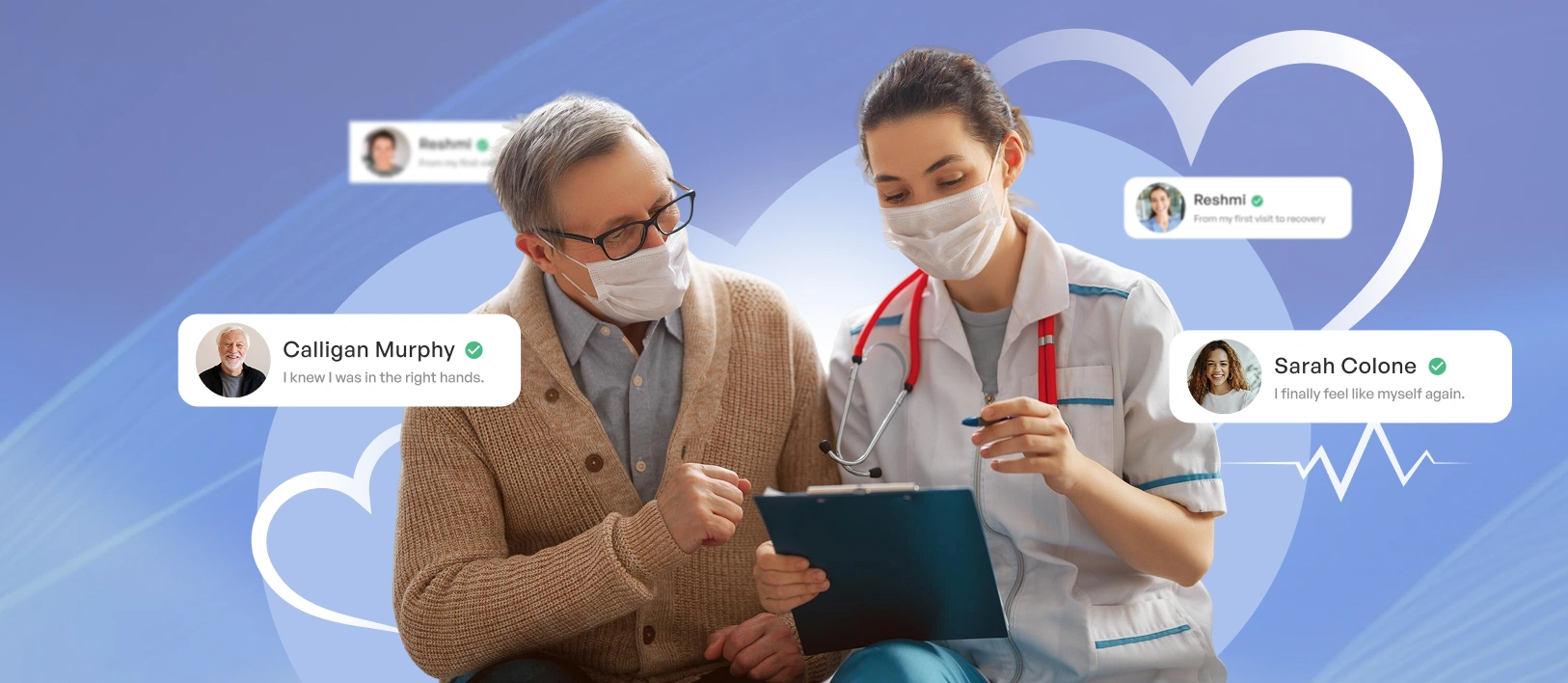
Healthcare arguably as an industry has for long been a boiling pot. The need is to understand how sensitive a topic healthcare is, often marred with lack of public awareness and confusion. Thanks to medical controversies, issues like drug safety, and medical advice that is chaotic, puzzling, and riddled with myths & facts. While there is abundant information filling the knowledge source each passing day, the point and perhaps the challenge is about attesting the authenticity and truthfulness of those information.
Let alone information about healthcare, any information for that matter runs the risk of being insensitive and harmful if it lacks truth and relevance. And that’s exactly why mere information is by no means helpful, especially in a sector such as the healthcare. In the context of marketing, what the healthcare industry should warrant is relevance and truth over just generic marketing noise.
In such a scenario what B2B consumers or any healthcare professional need is a way out from mediocre and irrelevant marketing content. Healthcare professionals are looking for trustworthy sources and access to truthful, empirical information; and the only way B2B healthcare brands can win the trust of the people is by digging deep to drive personalized, relevant content.

In the context of healthcare, personalized marketing is mostly centred around patient outcomes and expectations. If you are a healthcare B2B brand, apart from making high-quality healthcare accessible, there is also an impending responsibility of leveraging advanced technologies and build patient-centric marketing strategies to fast reach your target audience. This not only helps differentiate your brand from the competition, but also boosts customer retention & recruitment, while helping maintain lasting relationships.
Here’s how you can channel your efforts to personalize your marketing strategies –
In essence, segmenting your healthcare customers means to define them into different groups or categories on the basis of their ailments, interests, behaviours, and needs. It includes tailoring messages that are relevant to one’s issue, focusing marketing spend on and resource allocation towards a specific category and other similar strategies.
This increases relevance, boosts engagement and conversions, while ultimately enhancing patient outcomes and overall patient experience. For example, a campaign about Alzheimer’s disease or stroke can be segmented to older adults, while campaigns about new findings or information about paediatric vaccines can be focused for parents with newborns.
This is one of the smart ways of knowing your customer. By tracking their website activity, email engagement, and other touch points & communication channels, you get know your patient’s past and current history and what they are actually looking for.
For example, if a prospect has downloaded a research paper on a certain healthcare topic, you can send them targeted campaigns by sending them personalized content that is relevant to their issue and interest.
Creating strong customer personas means identifying your customer’s wants and behaviours based on certain factors. These factors can be their demographics, health status, emotional response/attitude, along with certain values & ethics they abide to.
By creating a buyer persona, you are humanizing the healthcare experience and then upon that, you are creating specific campaigns that resonate with the patient. This helps in creating high patient engagement, more response rates, lowers your marketing costs, increases website traction that is organized and leads to lower bounce rates.
Once you have defined your target audience and developed consumer personas, you can then create hyper-personalized campaigns to attract healthcare customers and drive consistent engagement.
These can be in the form of sending personalized wishes crafted for emails, WhatsApp or other mediums, sending wellness content, nutrition charts, lifestyle reminders etc. this not only acts as a goodwill from the patient’s end, but also creates a deep impact on their health ultimately resulting in conversion and long-term retention.
With current access to media going vivid and multi-channelled, the expectation of healthcare consumers is also risen not only be catered with a seamless experience, but also on all mediums they use regardless of where they are.
For example, a certain patient may be reading a treatment guide, using social media channel, or may be browsing a healthcare question on Google; make sure they are sent personalized messages or content. This can be as follows

While the above digital marketing strategies can enhance and personalize patient’s digital healthcare experience, what you should not forget is that you need to gear up to create a seamless physical healthcare experience too.
Below are a few marketing strategies that help create a seamless and humanized healthcare experience to your patients –
Delivering personalized healthcare marketing stems from taking on an approach not just as a marketing tactic, but as a strategic imperative. It involves commitment to integrating data across systems, leveraging the right insights & technology that enhance patient outcomes and experiences that are relevant and timely. All this not only ensures meaningful and lasting relationships, but also a establishes trust and loyalty in the long run.
At Innovkraft, our expertise lies in designing content strategies and developing an overarching vision for brands by adopting effective digital strategies as campaigns. We integrate SEO into content marketing and extract critical data through performance marketing and research and churn out strategies that are relevant and competitive, helping brands meet evolving customer challenges and respond to varying patient expectations.