
2.How WebDevelopment Is Changing Today
3.Future WebDevelopment will Rely on Browser Level Performance
4.Edge Computing Will Redefine How Websites Load
5.Progressive Web Apps Will Set the Standard
6.AI Will Assist Developers,Not Replace Them
7.Architecture Patterns Shaping Modern Web Projects
8.Security,Privacy,and Accessibility Are No Longer Optional
9.Skills Developers Should Build Before 2030
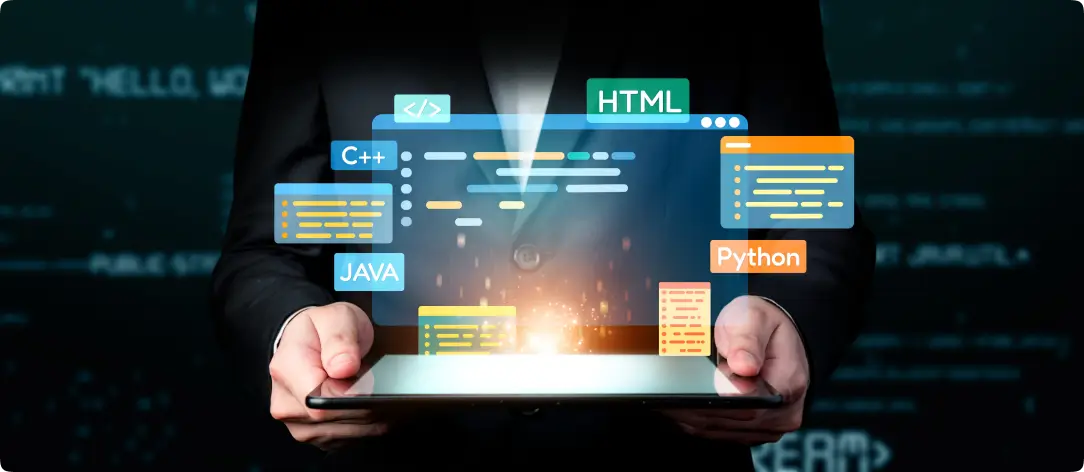
Web development has never been static. Over the years, it has moved from simple static pages to complex, app-like experiences that run across devices. As we move closer to 2030, this change is speeding up.
The focus of future web development is no longer only about building websites. It is about performance, accessibility, security, and user trust. Browsers are becoming more powerful, networks are faster, and users expect instant responses.
This blog covers the main technologies that will shape web development in the next decade. It also shares how businesses, developers, and product teams can get ready for web development in 2030.
These expectations make teams rethink how they build and deliver web products. This leads to smarter architecture and better tools that help with long-term growth.
WebAssembly lets code written in languages like C, C++, or Rust run in the browser almost as fast as on a computer. This matters for tasks that need a lot of processing power.
By 2030, WebAssembly will be a common part of future web development, especially for:
WebGPU will play a key role in the future of web development 2030, especially for dashboards, simulations, and creative tools.
Edge-first thinking is becoming a core part of modern technologies for web development.
Get expert guidance on choosing the right technologies for your next web project.
Islands architecture loads only the interactive parts of a page when needed. This improves speed without sacrificing usability.
This pattern supports the performance goals of future web development by reducing unnecessary JavaScript.
1.Performance optimization
2.Edge computing concepts
3.Modern browser APIs
4. Security fundamentals
5.Accessibility best practices
1.Audit site performance and user journeys
2.Identify slow or server-heavy features
3.Test edge delivery for critical pages
4.Introduce AI tools with review processes
5.Train teams on new browser standards

The web is changing fast, and planning really helps. If you want to see how future web development can support your business, now is a great time to get started.
Connect with Innovkraft to discuss how modern technologies for web development can help you build secure, high-performance, and scalable digital experiences. Our team can guide you through practical decisions that prepare your platform for the future of web development 2030.
Reach out today to start talking about your next web project.